
When I first started digging into the Legal Must-Haves for Startups, I thought it would be simple. Like, fill out a form, pick a cool name, boom — CEO vibes.
Instead, I found myself 17 tabs deep on government websites at 11:48 p.m., reading about “registered agents” and whispering, “What even is that?” to no one. My dog was asleep. He offered no guidance.
Nobody talks about how starting a business feels 30% exciting, 70% mild legal panic.
And look, I’m not a lawyer. I’m just someone who’s been around startups long enough to see what happens when people ignore the boring stuff. Spoiler: it’s expensive.
So grab coffee. Or wine. No judgment. Let’s walk through the actual legal must-haves for launching a startup in the U.S. — the stuff that protects you from future-you calling present-you an idiot.
1. Pick the Right Business Structure (Please Don’t Skip This)
Okay. This is the first big fork in the road.
Are you an LLC? A corporation? Sole proprietor? Something else that sounds like a law school exam question?
Back in my early freelance days, I just… started. No LLC. No structure. Just vibes and PayPal invoices.
It worked. Until it didn’t.
One client dispute later and I realized my personal bank account was basically exposed. Not fun.
The Big Ones Most Startups Choose:
- LLC (Limited Liability Company) – flexible, simple, good for small teams
- C-Corp – common if you plan to raise venture capital
- S-Corp – tax election option, different rules
If you’re building something you want to scale and maybe raise funding for, you’ll probably hear “Delaware C-Corp” whispered like it’s some sacred startup ritual.
Is Delaware magical? Not really. But its business laws are friendly for investors.
Still — talk to a real attorney or CPA before deciding. The right structure depends on your goals, your risk, and whether you plan to bring on co-founders.
This is one of the core startup legal requirements in the USA. Get it right early.
2. Founders Agreements (Because Friendships Get Weird Under Stress)
Let me tell you a tiny horror story.

Two friends start a company.
Everything’s great.
High-fives.
Shared Google Docs.
Fast forward 18 months. One wants out. The other doesn’t. There’s no written agreement about equity vesting.
Cue awkward texts.
Cue the friendship dissolving faster than an Alka-Seltzer tablet.
If you have co-founders, you need a founders agreement. Not optional. Not “we trust each other.”
Trust is lovely. Contracts are safer.
Your agreement should outline:
- Equity splits
- Vesting schedule (usually 4 years with a 1-year cliff)
- Roles and responsibilities
- What happens if someone leaves
It feels weird to talk about this early. Like asking for a prenup on the first date.
But it saves so much drama.
3. Get an EIN (It’s Not as Scary as It Sounds)
An EIN (Employer Identification Number) sounds like something that requires three forms and a blood sample.
It doesn’t.
You apply through the IRS website. It’s free. Takes minutes.
You need it to:
- Open a business bank account
- Hire employees
- File taxes
It’s part of your startup compliance checklist. And it’s one of the easiest boxes to check.
Don’t use your personal Social Security number for business stuff long-term. Just… don’t.
4. Open a Separate Business Bank Account (Seriously)
Mixing personal and business finances is like storing your gym clothes with your clean laundry.
Technically possible.
Deeply unwise.
If you’re forming an LLC or corporation, keeping finances separate helps maintain liability protection. It also keeps tax season from feeling like a horror movie.
I once tried to untangle six months of mixed transactions. Never again.
5. Basic Contracts (Even If You’re Tiny)
When I say legal documents for startups, people imagine 80-page PDFs with Latin phrases.
Relax.
Start simple:
- Client service agreements
- Independent contractor agreements
- NDAs (when appropriate)
- Terms of service
- Privacy policy
If you’re collecting user data (and you probably are), you legally need a privacy policy. Especially with laws like CCPA in California.
Templates exist. But templates aren’t one-size-fits-all. Customize them.
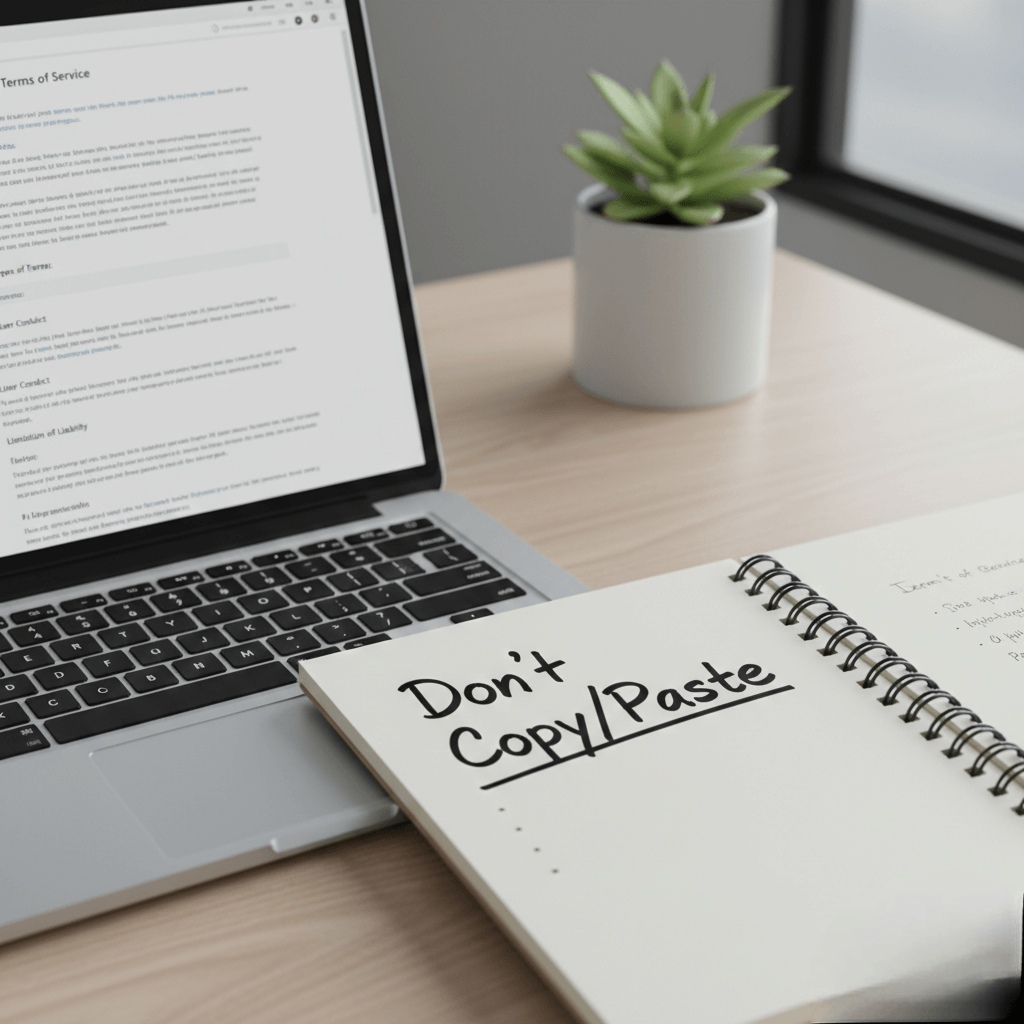
And for the love of future-you, don’t copy-paste another company’s terms page.
That’s like copying homework and hoping the teacher won’t notice.
6. Protect Your Intellectual Property (Before Someone Else Does)
You come up with a killer name.
You feel unstoppable.
Then someone sends a polite-but-threatening email saying they own the trademark.
Fun.
Before you get too attached to a brand name, search the USPTO trademark database. Make sure it’s not already taken in your industry.
If your brand matters long-term (and it should), consider filing for trademark protection.
Same goes for:
- Patents (if applicable)
- Copyright (for content, code, creative work)
Not everything needs protection on day one. But awareness matters.
7. Licenses and Permits (The Boring Local Stuff)
Here’s the annoying part about launching a startup in the U.S.: rules vary by state. And sometimes by city.
You may need:
- Local business licenses
- Sales tax permits
- Professional licenses (depending on industry)
It’s not glamorous.
But skipping it can lead to fines. And nobody wants their big launch interrupted by a letter from a city office.
Check your state’s small business website. It’s dry reading. Bring snacks.
8. Understand Your Tax Obligations (Before April Surprises You)
Taxes. Ugh.
I once underestimated quarterly estimated taxes. That was… educational.
Depending on your structure, you’ll owe:
- Federal income tax
- State income tax
- Self-employment tax
- Sales tax (if applicable)
Talk to a CPA early. Not after you’ve made money.
Good accounting is part of your startup compliance checklist. It’s less exciting than product design. Still necessary.
9. Employment Law Basics (If You Hire)
Hiring your first employee feels like leveling up.
It also unlocks new legal responsibilities.
You need:
- Proper employment agreements
- Payroll setup
- Workers’ comp insurance
- Compliance with wage laws
Independent contractors have different rules than employees. Misclassifying someone can get expensive.
When in doubt? Ask a professional.
A Quick Reality Check about Legal Must-Haves for Startups
Launching a startup is already emotionally chaotic.
Add legal uncertainty, and it can feel overwhelming.
But here’s the thing: most of these legal must-haves for launching a startup in the U.S. are manageable if you handle them early.
It’s the procrastination that creates disasters.
You don’t need a massive legal team on day one.
You need:
- The right structure
- Clear agreements
- Proper registration
- Basic compliance
And a willingness to ask for help.
Resources Worth Checking for Legal Must-Haves for Startups
For practical startup advice, I’ve always liked Paul Graham’s essays at http://paulgraham.com — not legal advice, but sharp thinking about building companies.
And if you want a surprisingly clear breakdown of business basics, the SBA website (https://www.sba.gov) is actually useful. Government sites can be dry, but this one’s solid.
Final Thought about Legal Must-Haves for Startups
When you’re launching, it’s tempting to focus only on product, branding, growth.
Legal stuff feels like a buzzkill.
But think of it like wearing a seatbelt.
You don’t plan to crash.
You just… don’t want to regret not being prepared.
I’ve seen startups implode over handshake agreements.
I’ve seen avoidable problems become expensive lessons.
You don’t have to be perfect.
Just intentional.
Set up the basics. Protect yourself. Document agreements. Stay compliant.
Then go build the thing you actually care about.
Because nothing kills momentum like a preventable legal mess.
And honestly? Peace of mind is underrated.
Especially when you’re already juggling everything else.


